




McIntosh MC275 Vacuum Tube Amplifier
- Type: Vacuum Tube
- 75 Watts x 2-Channels or 150 Watts x 1-Channel
- Unity Coupled Circuit Output Transformers
- Sentry Monitor™, Solid Cinch™ speaker binding posts
- One of the most iconic amplifiers ever made
Pairs well with
McIntosh MC275 Vacuum Tube Amplifier
If you have any questions, you are always welcome to contact us. We'll get back to you as soon as possible, within 24 hours on weekdays.
-
Shipping Information
Use this text to answer questions in as much detail as possible for your customers.
-
Customer Support
Use this text to answer questions in as much detail as possible for your customers.
-
FAQ’s
Use this text to answer questions in as much detail as possible for your customers.
-
Contact Us
Use this text to answer questions in as much detail as possible for your customers.
Overview
McIntosh MC275 Vacuum Tube Amplifier
The McIntosh Tube Amplifier That Became a Legend
Few amplifiers are as closely associated with McIntosh as the MC275 Vacuum Tube Amplifier. Originally introduced in 1961, the MC275 earned its reputation by delivering the power needed by demanding loudspeakers while maintaining the smoothness, low distortion, and musical character that made McIntosh tube electronics famous.
Production ended in 1971 as the industry moved toward solid-state amplification, but the MC275's story was far from over. It returned in 1993 as a commemorative edition honoring McIntosh co-founder and longtime president Gordon Gow, and its reception ultimately returned the amplifier to the McIntosh lineup.
Now in its sixth generation, today's MC275 preserves the architecture and visual character of the original while incorporating decades of refinement.
75 Watts Stereo or 150 Watts Mono
The MC275 is more versatile than its classic appearance might suggest.
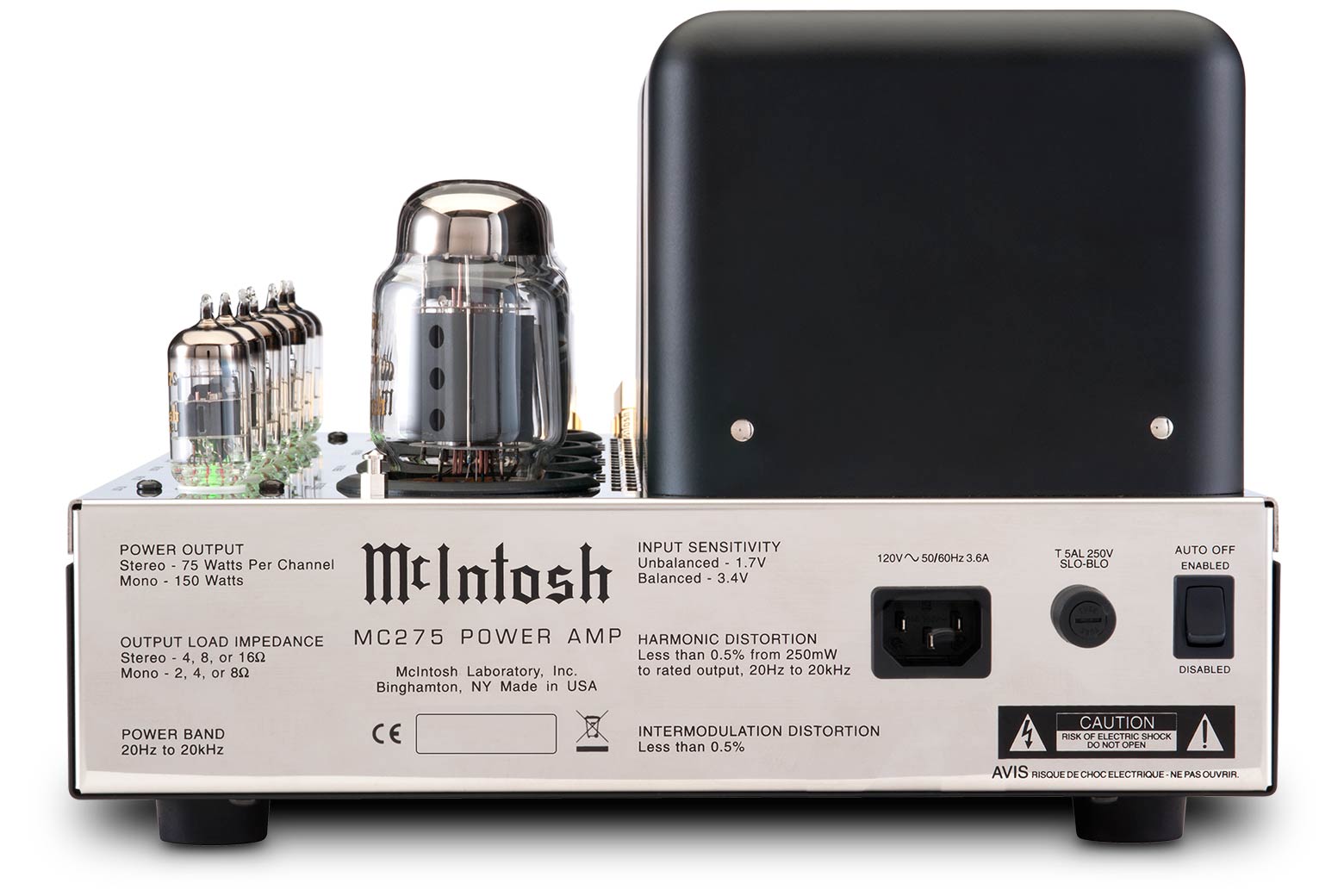
In stereo operation, it delivers 75 watts per channel into 4, 8, or 16 Ohm speakers.
For systems requiring additional power, the MC275 can be operated in mono to deliver 150 watts into a 2, 4, or 8 Ohm speaker. This also creates an upgrade path where a system can begin with a single MC275 and later add a second amplifier for a pair of 150-watt monoblocks.
Central to that capability is one of the technologies upon which McIntosh was founded.
McIntosh Unity Coupled Circuit
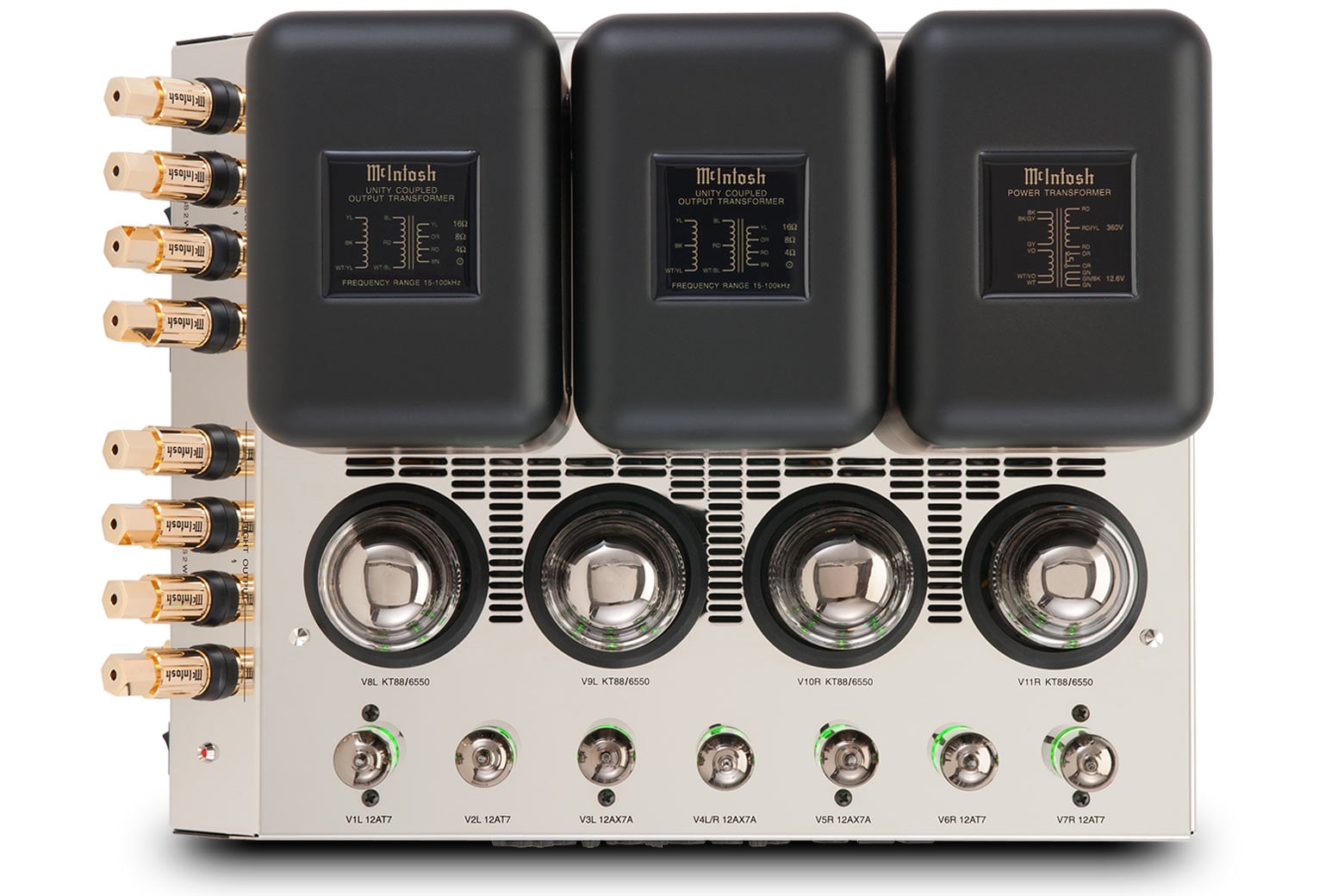
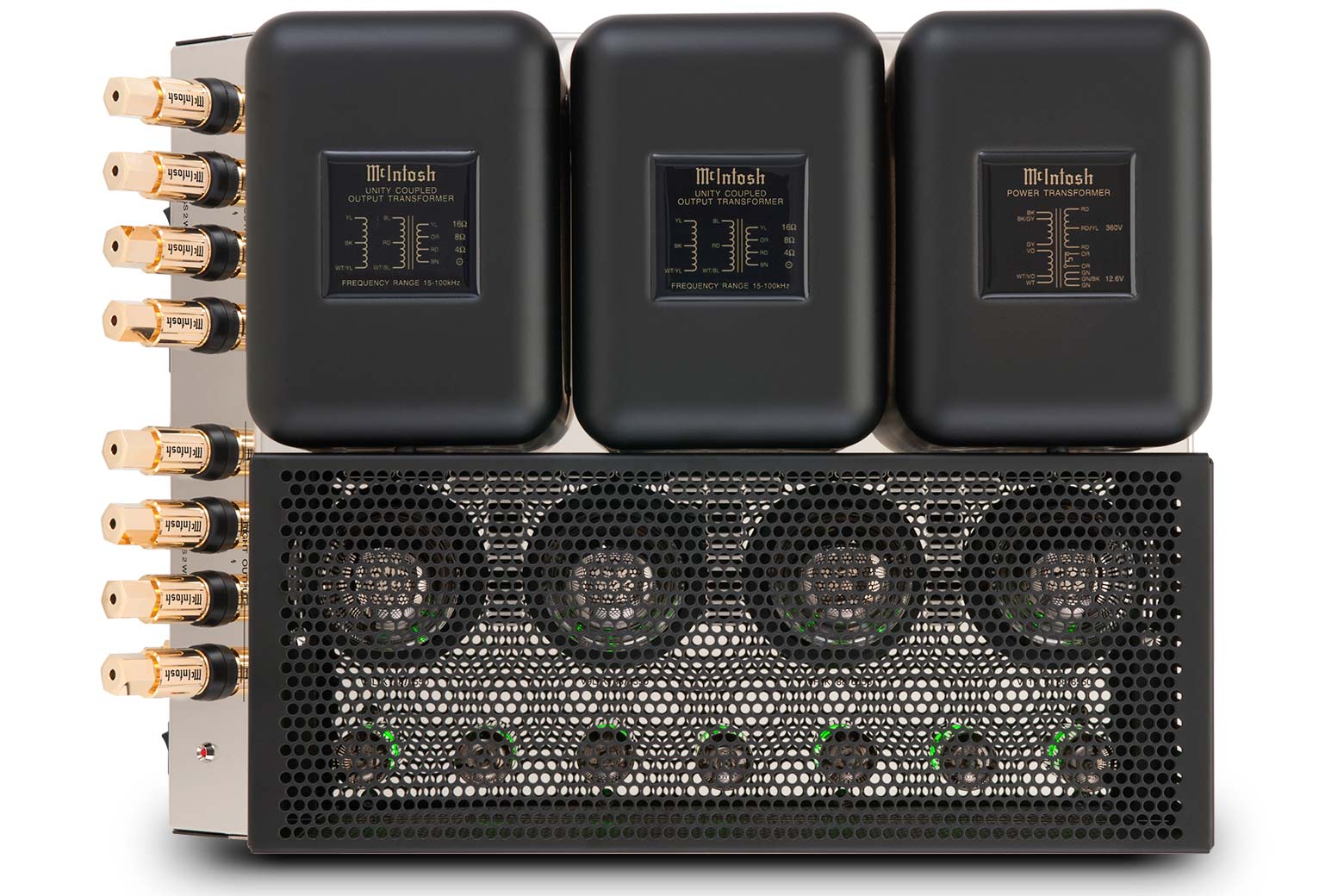
The MC275 uses McIntosh's patented Unity Coupled Circuit output transformer technology, a design whose roots reach back to the company's founding in 1949.
Its output transformers allow the amplifier to deliver its full rated power across multiple speaker impedances while maintaining low distortion and wide bandwidth.
In its current form, the MC275 benefits from McIntosh's wide-bandwidth output transformer design, along with refinements intended to improve bass control and reduce thermal noise.
This is what makes the MC275 more than simply a reproduction of a vintage amplifier. Its heritage is obvious, but the amplifier itself is designed to perform in a modern high-end audio system.
Eleven Vacuum Tubes
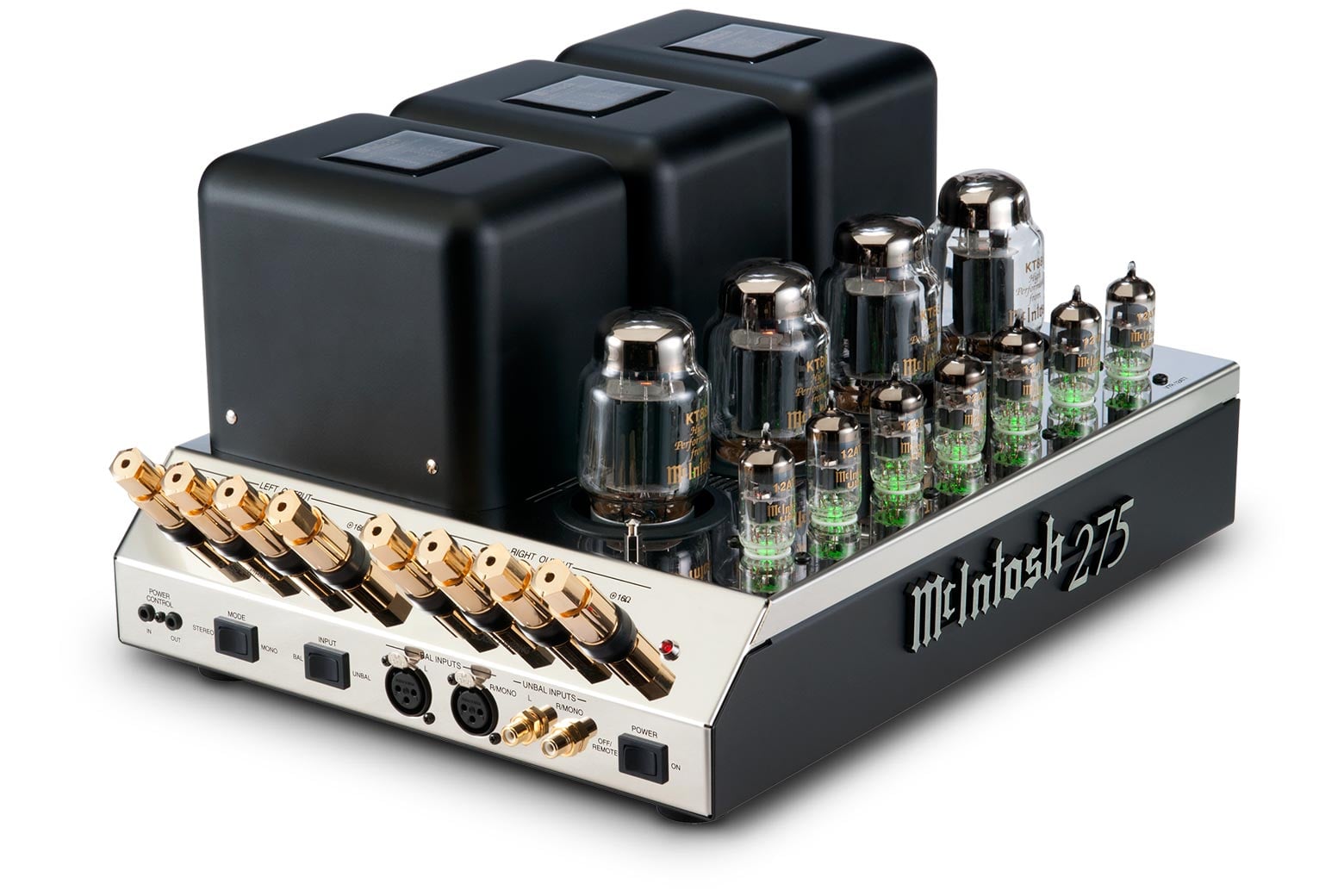
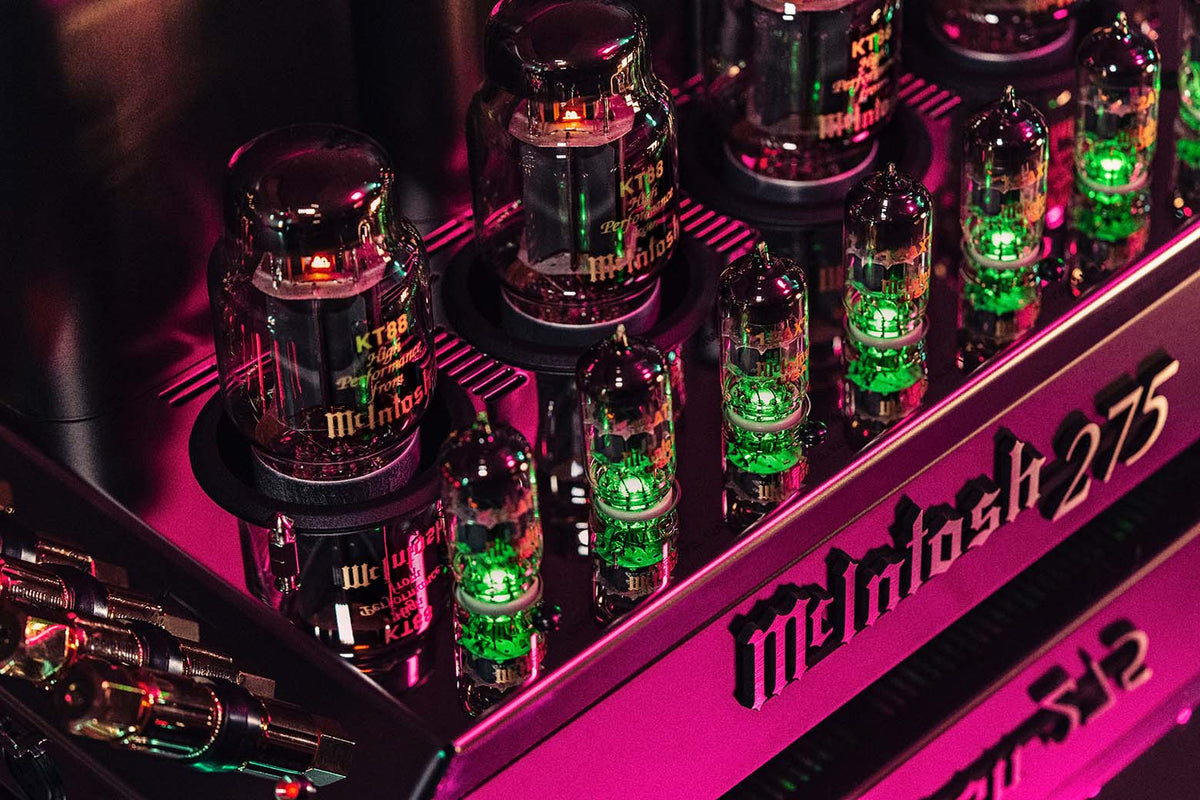
The MC275's output stage is powered by four KT88 vacuum tubes.
Another seven smaller tubes handle the input, voltage, and driver stages:
Four 12AT7 tubes
Three 12AX7A tubes
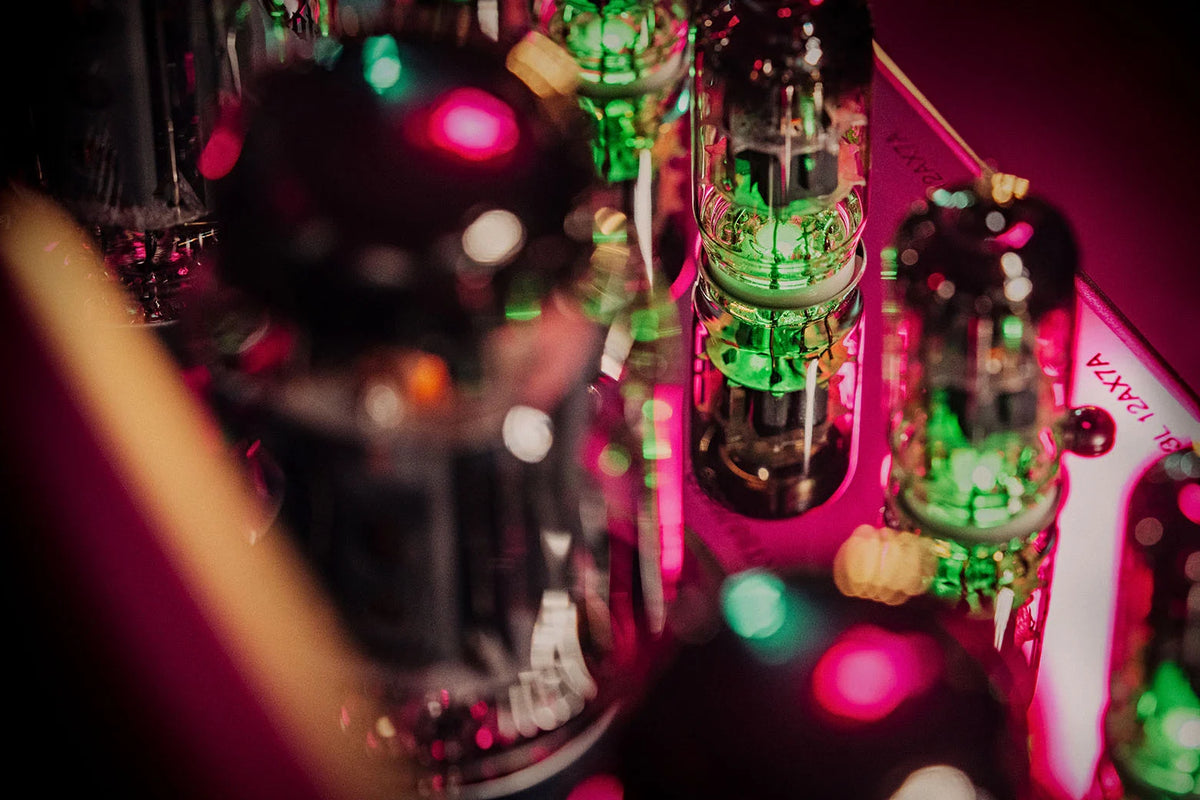
Those seven smaller tubes are illuminated by LEDs that also function as a diagnostic system. During startup, they sequentially glow amber before changing to green when the amplifier is ready for operation.
If an output tube fails, the corresponding small tube indicator can illuminate red, helping identify the problem.
It's a clever combination of classic tube-amplifier theater and modern system monitoring.
Balanced and Unbalanced Connectivity
Despite its 1960s heritage, the MC275 integrates easily into contemporary audio systems.
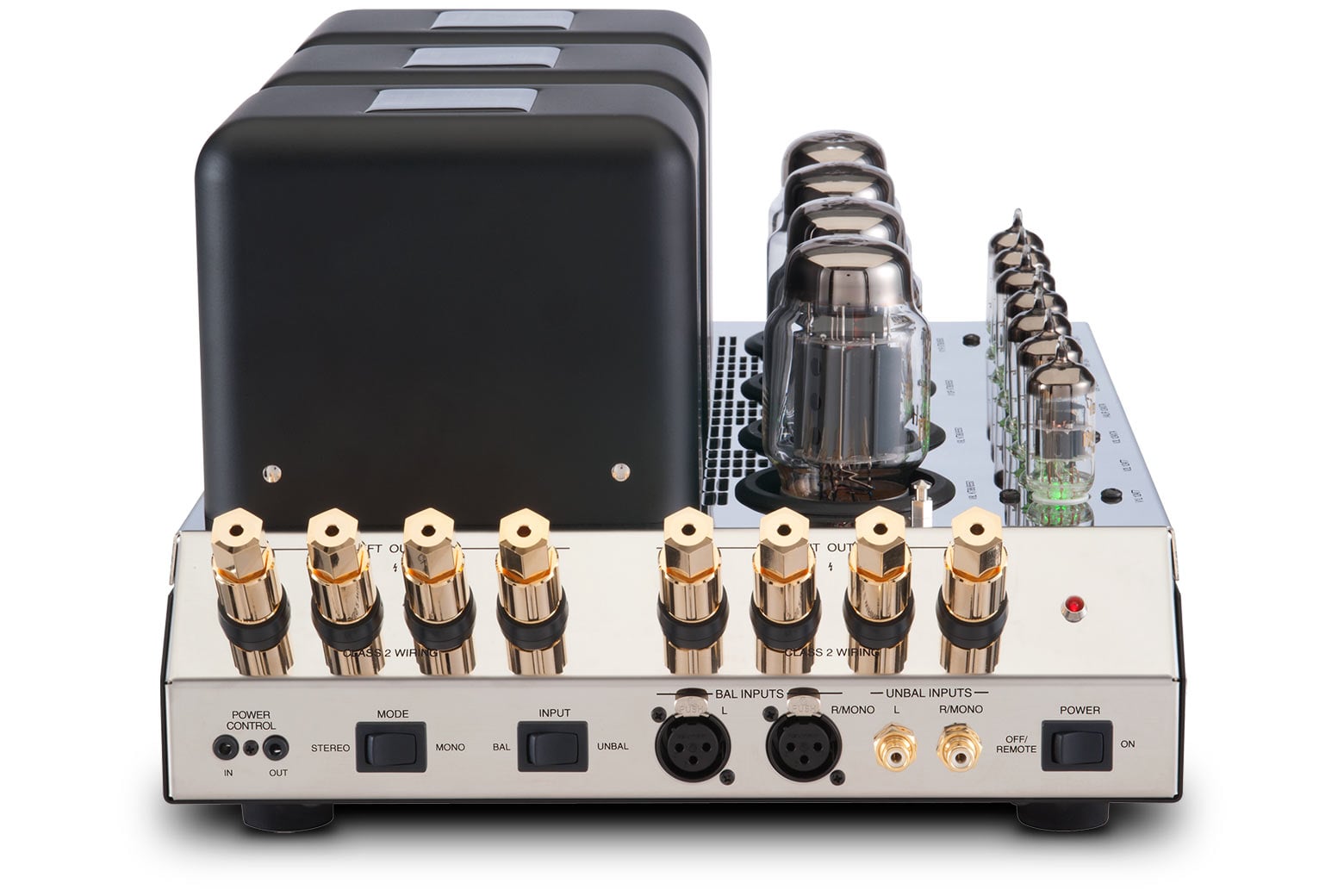
Both balanced XLR and unbalanced RCA inputs are provided, allowing it to be paired with everything from a classic McIntosh tube preamplifier to one of the company's modern reference preamps.
McIntosh gold-plated Solid Cinch speaker binding posts provide secure connections for speaker cables, while Power Control connections allow compatible McIntosh components to automatically coordinate power on/off operation with the amplifier.
Sentry Monitor Protection
The MC275 also incorporates McIntosh Sentry Monitor, a fuse-less short-circuit protection system.
If operating current exceeds safe limits, Sentry Monitor disengages the output stage before damage can occur. Once normal operating conditions return, the system automatically resets.
It's modern protection working behind one of the most traditional amplifier designs in high-end audio.
An Icon That Still Looks Like One
The MC275 doesn't try to hide its tubes—or its history.
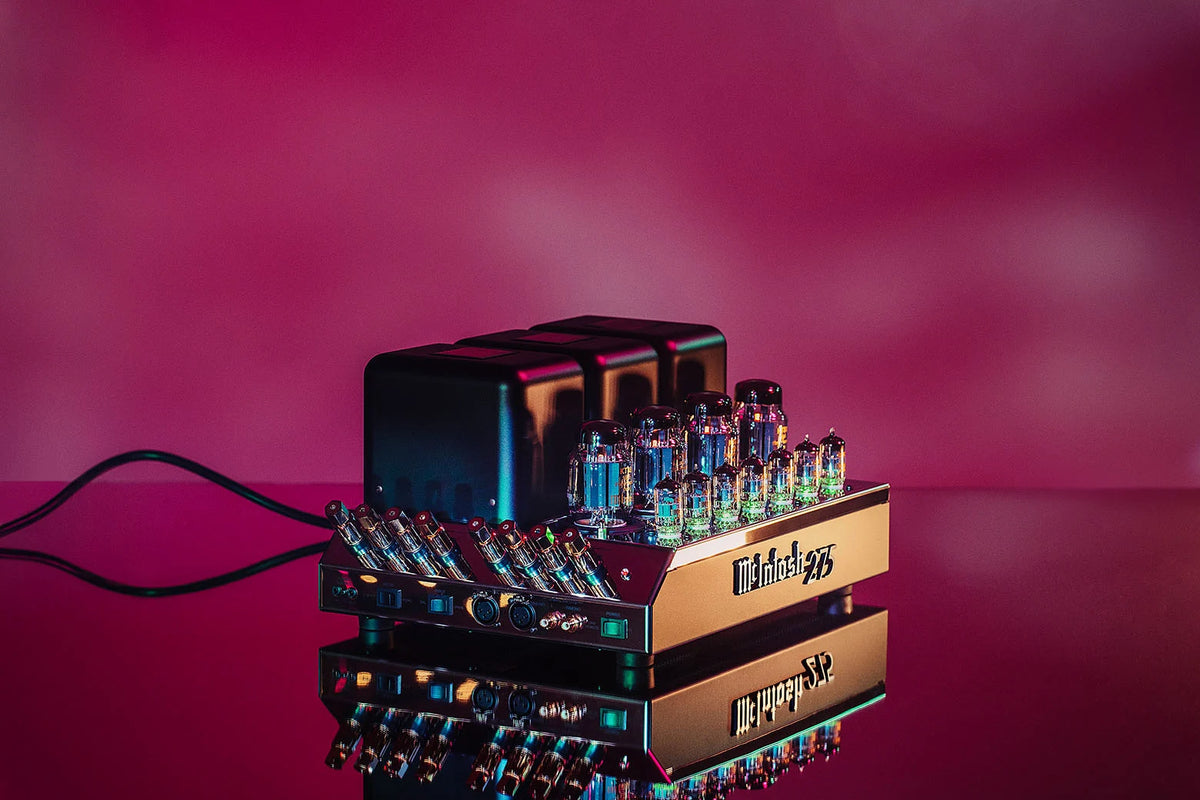
The exposed KT88s, smaller signal tubes, polished chassis, transformers, and unmistakable McIntosh detailing have made its appearance nearly as recognizable as its sound.
More than six decades after the original was introduced, it remains a design that looks completely at home beside both vintage McIntosh components and the company's newest electronics.
The Grid's Take on the McIntosh MC275
The MC275 isn't important simply because it's old. It's important because the basic idea has remained relevant for more than 60 years.
There are more powerful McIntosh amplifiers, and there are newer amplifier architectures, but very few components in high-end audio have the history or identity of the MC275.
We especially like its flexibility. 75 watts per channel is enough for many properly matched high-end loudspeakers, while adding a second MC275 creates a pair of 150-watt mono amplifiers and an obvious future upgrade path.
More importantly, this is a product for someone who specifically wants the experience of owning a McIntosh tube amplifier—the warm glow of eleven vacuum tubes, the exposed transformer architecture, and a circuit lineage tied directly to the technologies that established McIntosh in the first place.
For a system built around the right loudspeakers and preamplifier, the MC275 remains one of the most compelling ways to experience the McIntosh heritage.
At The Grid HiFi & Home Theater, we can help match the MC275 with the appropriate preamplifier, source components, and loudspeakers to build a complete two-channel system around this McIntosh classic.
Specifications
Electronic Specifications
FTC Power Output Rating
75 W
Power Output per Channel
75 W into 4, 8 or 16 ohms
Number of Channels
2
Total Harmonic Distortion
0.5% maximum harmonic distortion at any power level from 250 milliwatts to rated power, 20Hz to 20kHz
(≤ 0.25% harmonic distortion at 1kHz)
S/N below rated output
105dB
Dynamic Headroom
1.2dB
Damping Factor
>22
Rated Power Band
20Hz to 20kHz
Frequency Response
+0, -0.5dB from 20Hz to 20kHz
+0, -3.0dB from 10Hz to 100kHz
Control
Remote Power Control
Yes, input and output
Multi-Channel DB25 Cable
N/A
General Specifications
Circuit Configuration
Unity Coupled
Circuit Design
Vacuum Tube
Mono Bridge
Yes
Mono Parallel
Yes, 150W @ 2, 4 or 8 Ohms
Output Type
Unity Coupled Output Transformer
Meters
No
Meter Light Switch
Small signal tubes LEDs controlled by McIntosh preamp
Balanced Input
Yes
Front Panel
N/A
Illumination
Small Signal Tubes, LED
Chassis Style
Polished Stainless Steel
Connectivity
Speaker Binding Post Type
Patented Solid Cinch™ Speaker Binding Posts
Weights & Dimensions
Unit Dimensions (W x H x D)
16-1/2" (41.9cm) x 8-1/2" (21.6cm) x 12" (30.5cm)
Unit Weight
67 lbs (30.5 kg)
Shipping Weight
75 lbs (34.1 kg)
FAQs
Please read our FAQs page to find out more.
Do you price match?
Yes. We match any authorised dealer, including big-box retailers. If you find the same product at a lower price, contact us and we'll match it.
Do you offer free shipping?
Yes — free shipping on every order, with 2-day delivery available on most products. Easy returns and exchanges are included.
Where is your showroom?
We're at 6362 Alder Drive, Houston, Texas. The showroom lets you hear and compare reference-level systems in person before making any decisions. If you're considering a larger purchase or installation, it's well worth the visit.
Can I buy online without visiting the showroom?
Yes. The full product range is available through the online store with free nationwide shipping. For more complex system builds, speaking with one of our advisers first tends to lead to a better result.
Do you offer financing?
Yes. Special financing is available through the BrandSource Credit Card for qualifying purchases, allowing you to spread payments over time with no annual fee. Promotional rebate savings are also available periodically. See the financing page for full details.
Do you install systems as well as sell equipment?
Yes — installation is central to what we do. We design and install whole-home audio and video, home theaters, media rooms, outdoor audio, lighting and motorised shades, and full smart home automation.
Do you provide support after installation?
Yes. We provide ongoing service and support to ensure systems continue performing as intended — not just on installation day, but over the long term.