


McIntosh
McIntosh MC2.1KW Reference Monoblock Power Amplifier
- Type: Solid State
- 2,000 Watts x 1-Channel
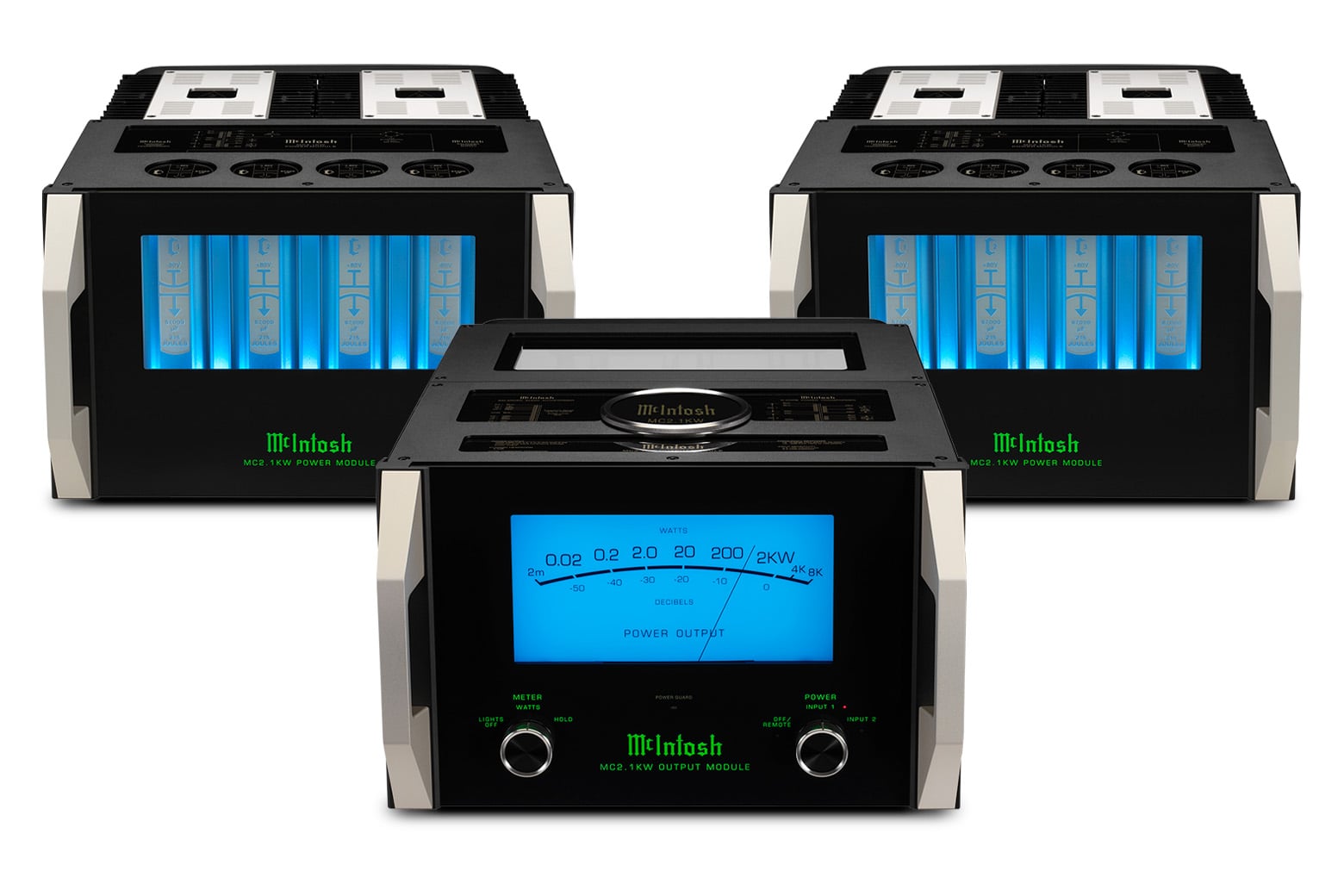
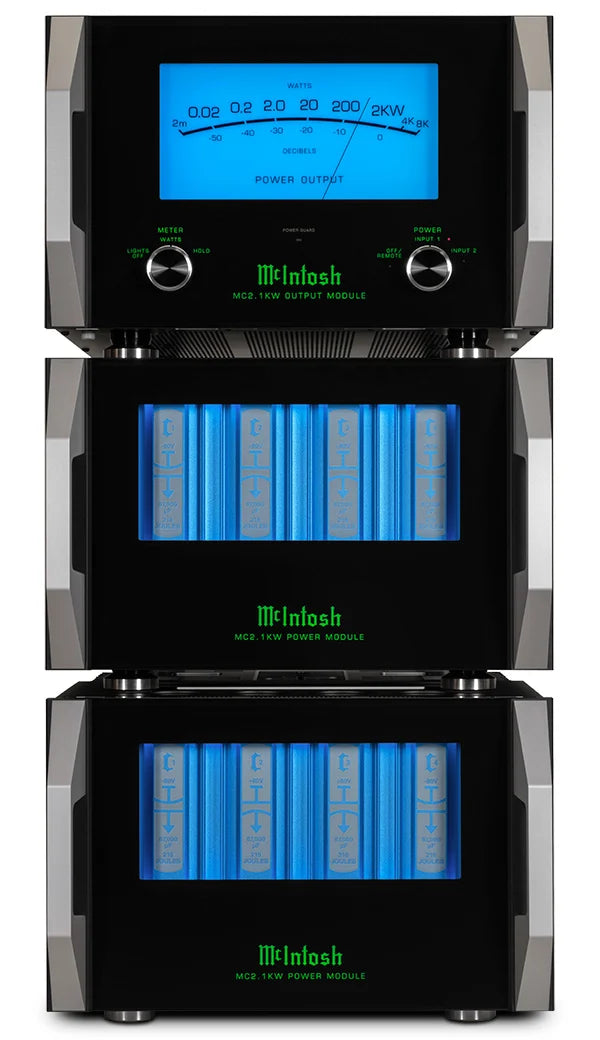
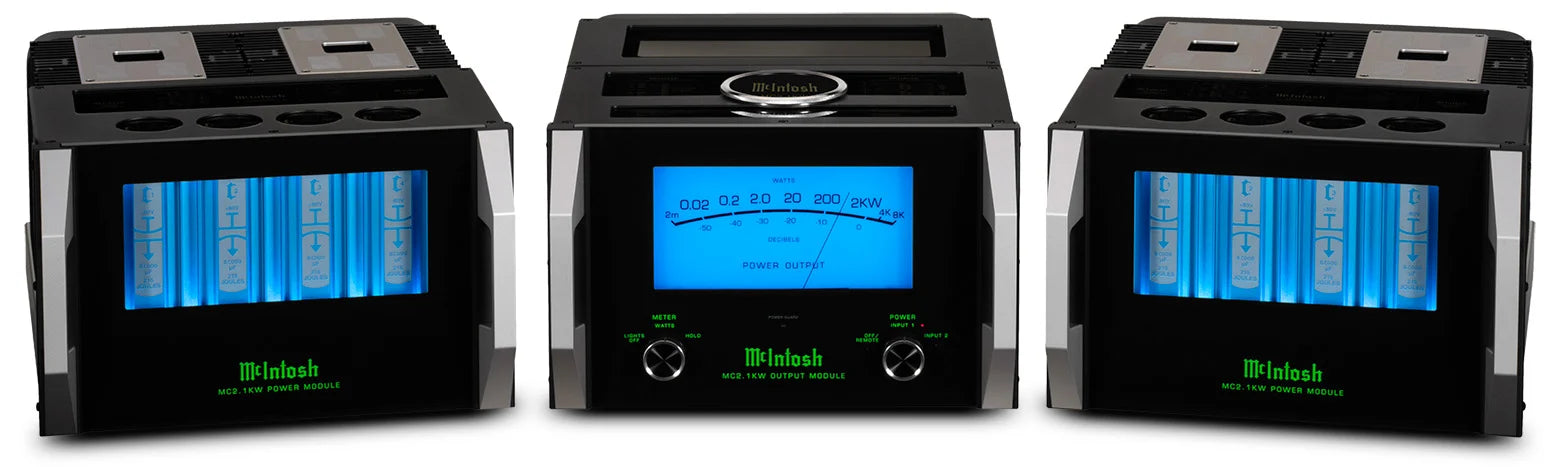
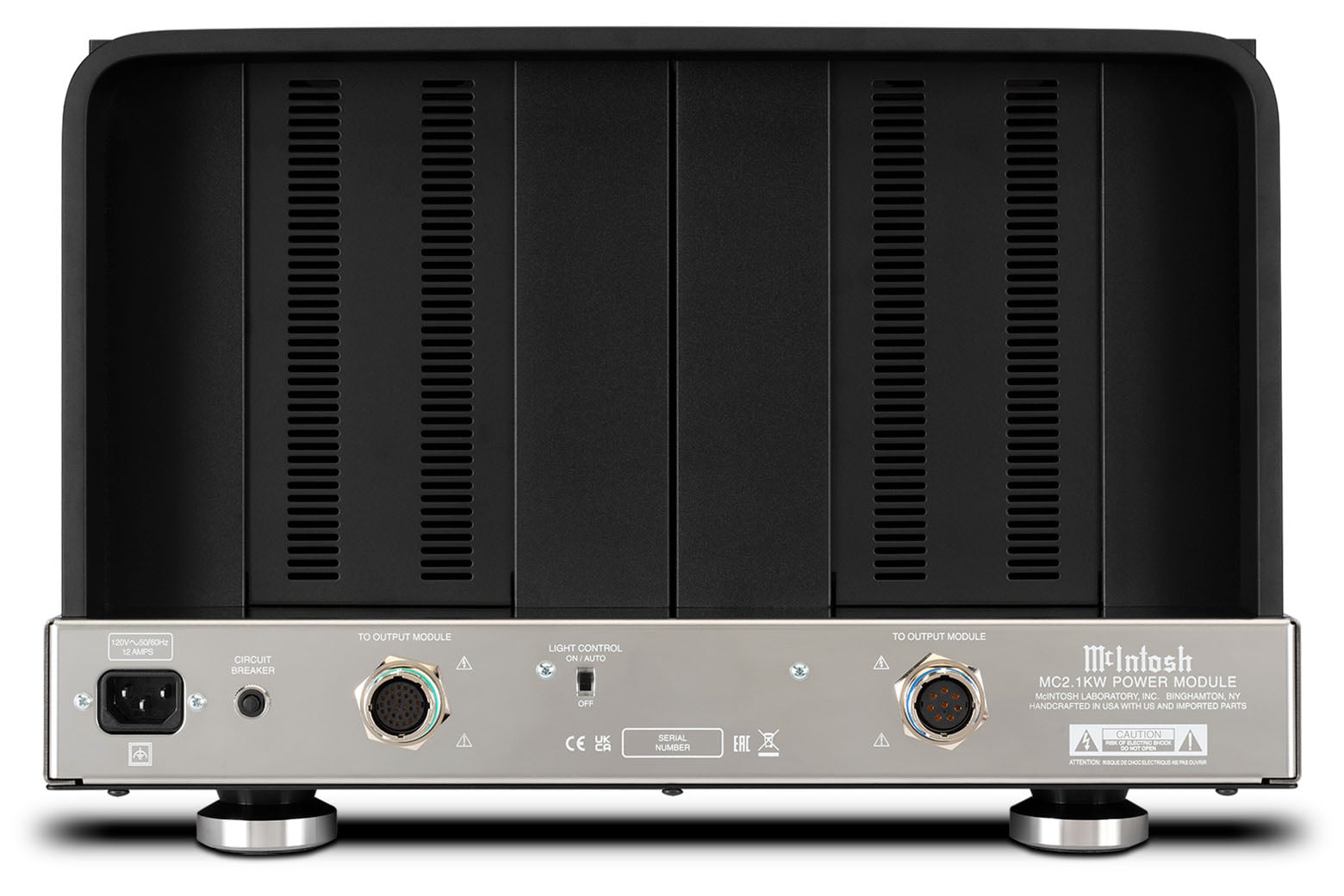
- Tri-chassis design: 2 Power Modules, 1 Output Module
- Dual sets of balanced and unbalanced inputs
- Quad Balanced, Autoformer™, Power Guard®, Sentry Monitor™, Monogrammed Heatsinks™, Solid Cinch™ speaker binding posts
- Multiple speaker terminals for bi- and tri-wiring
Pairs well with
McIntosh MC2.1KW Reference Monoblock Power Amplifier
If you have any questions, you are always welcome to contact us. We'll get back to you as soon as possible, within 24 hours on weekdays.
-
Shipping Information
Use this text to answer questions in as much detail as possible for your customers.
-
Customer Support
Use this text to answer questions in as much detail as possible for your customers.
-
FAQ’s
Use this text to answer questions in as much detail as possible for your customers.
-
Contact Us
Use this text to answer questions in as much detail as possible for your customers.
Overview
McIntosh MC2.1KW Reference Monoblock Power Amplifier
2,000 Watts. Three Chassis. One Loudspeaker.
The McIntosh MC2.1KW Monoblock Power Amplifier sits at the absolute top of McIntosh solid-state amplification. Delivering an extraordinary 2,000 watts to a single loudspeaker, it is designed for reference systems where power reserves, control, and scale are pushed to their logical extreme.
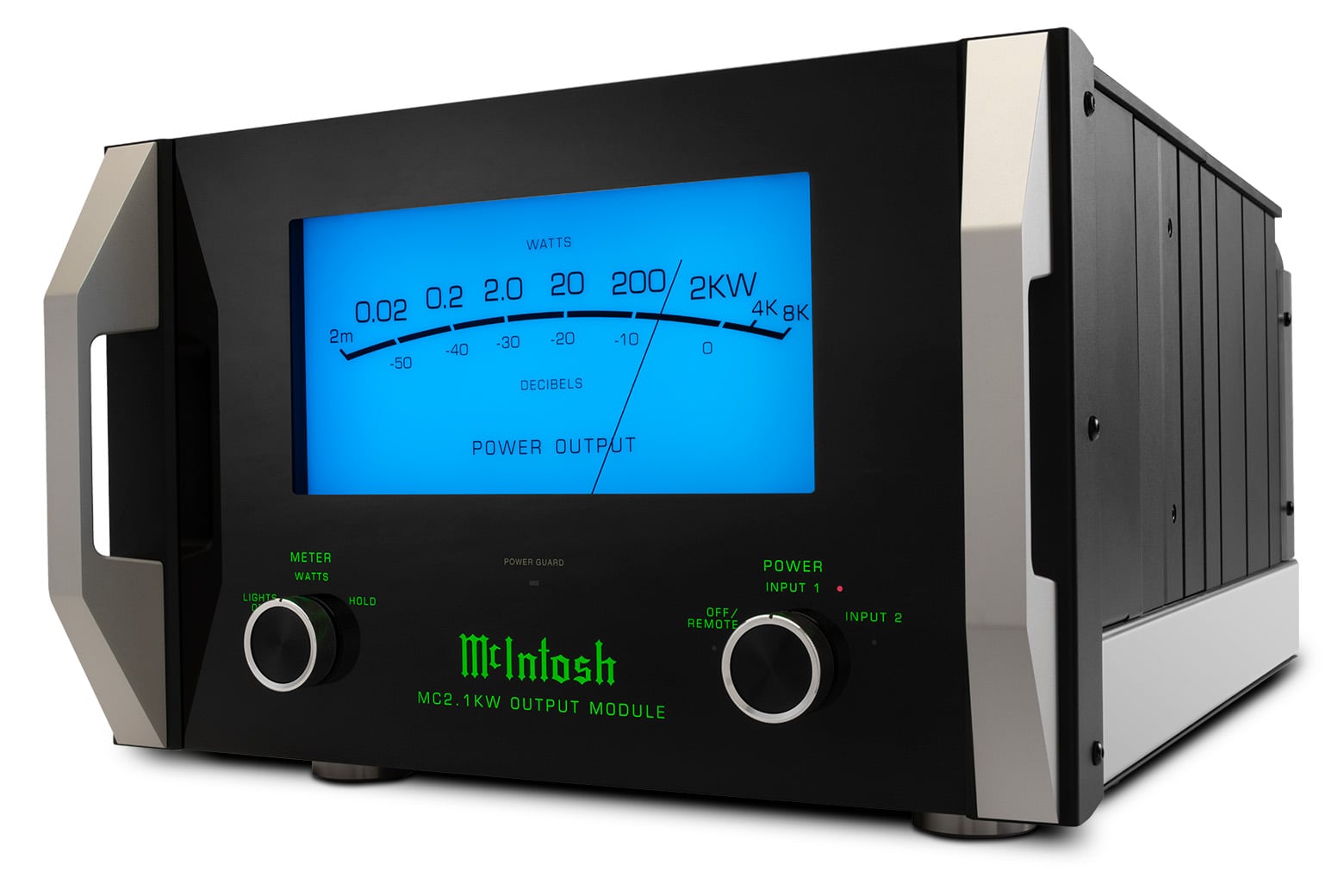
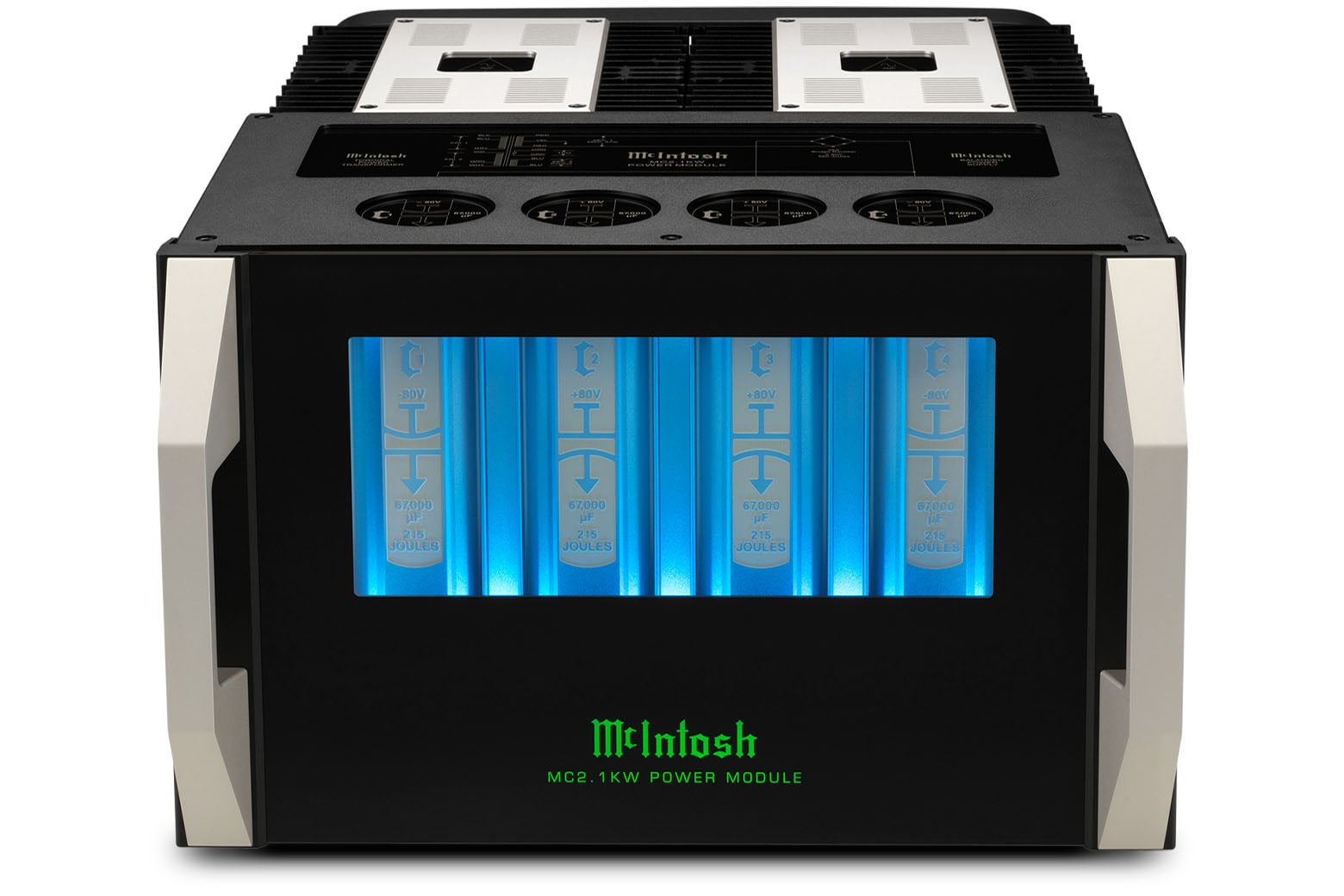
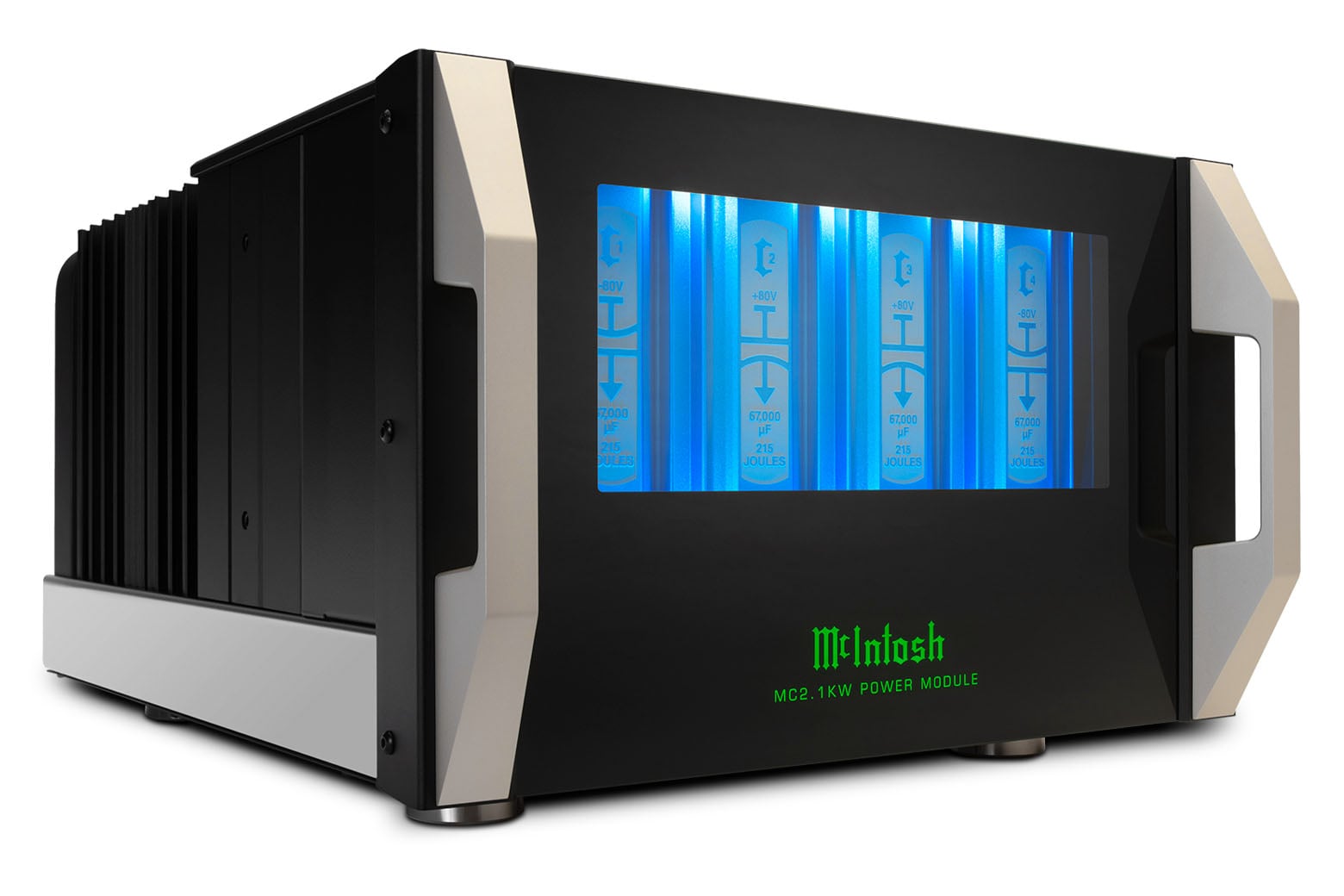
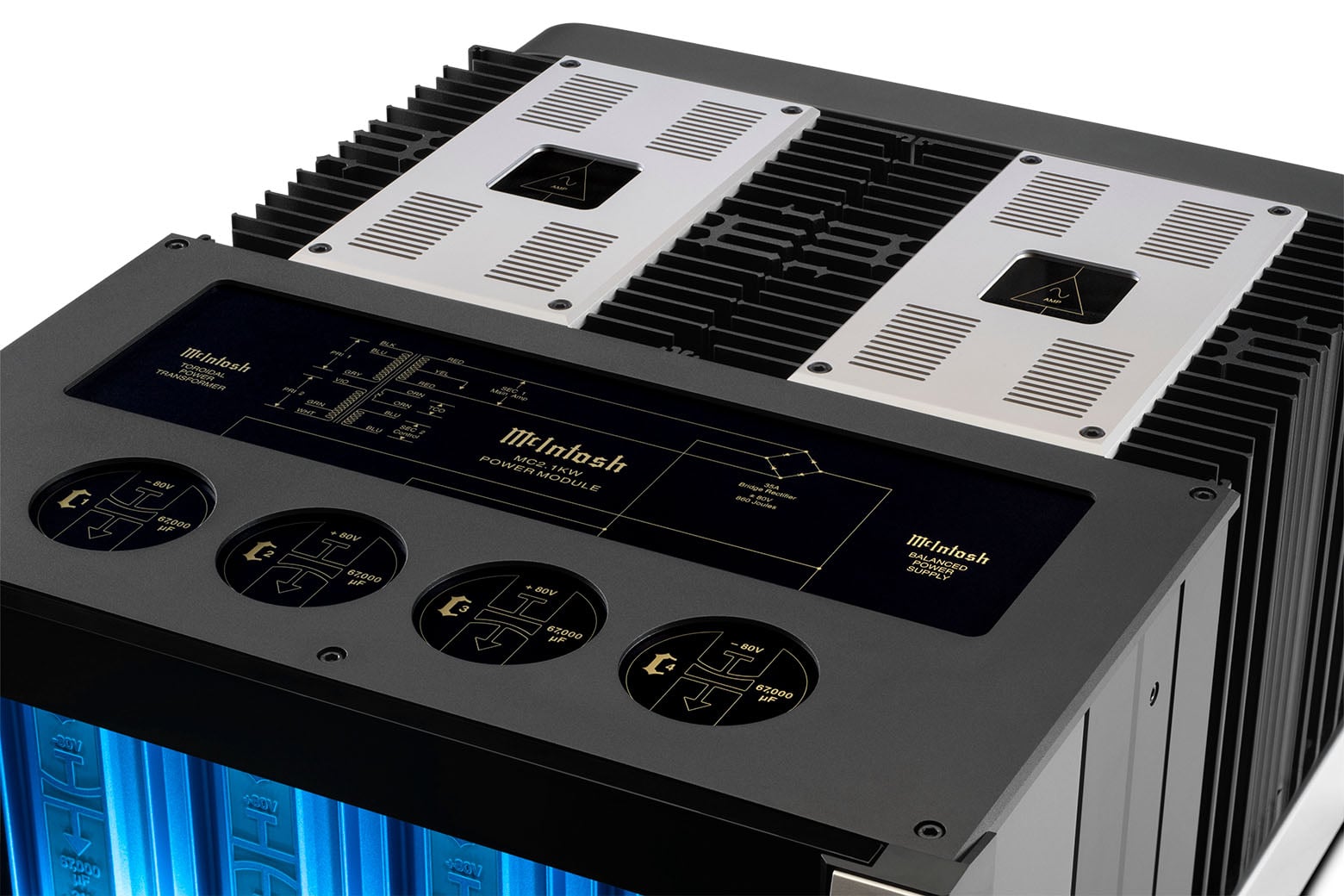
And the MC2.1KW isn't simply an oversized conventional monoblock. Each amplifier is actually a three-chassis system consisting of one Output Module and two separate 1,000-watt Power Modules.
For a stereo system, a pair of MC2.1KWs means six chassis and 4,000 watts of total rated amplification dedicated to two loudspeakers.
This is McIntosh amplification without compromise.
Two 1,000-Watt Amplifiers Working as One
The architecture behind the MC2.1KW is as impressive as its output specification.
The incoming signal first enters the Output Module from the preamplifier. From there, an in-phase signal is sent to one 1,000-watt Power Module while an out-of-phase signal is sent to the second.
After amplification, both signals return to the Output Module and drive opposite ends of a bifilar-wound McIntosh Autoformer.
The two signals are recombined, their power is summed, and unwanted noise is reduced or canceled.
The result is 2,000 watts of McIntosh power available to the connected loudspeaker.
Full Power Into 2, 4 or 8 Ohms
As with McIntosh's other Autoformer-equipped reference amplifiers, the MC2.1KW isn't limited to producing maximum power into a single speaker impedance.
The full 2,000 watts is available into 2, 4, or 8 Ohms.
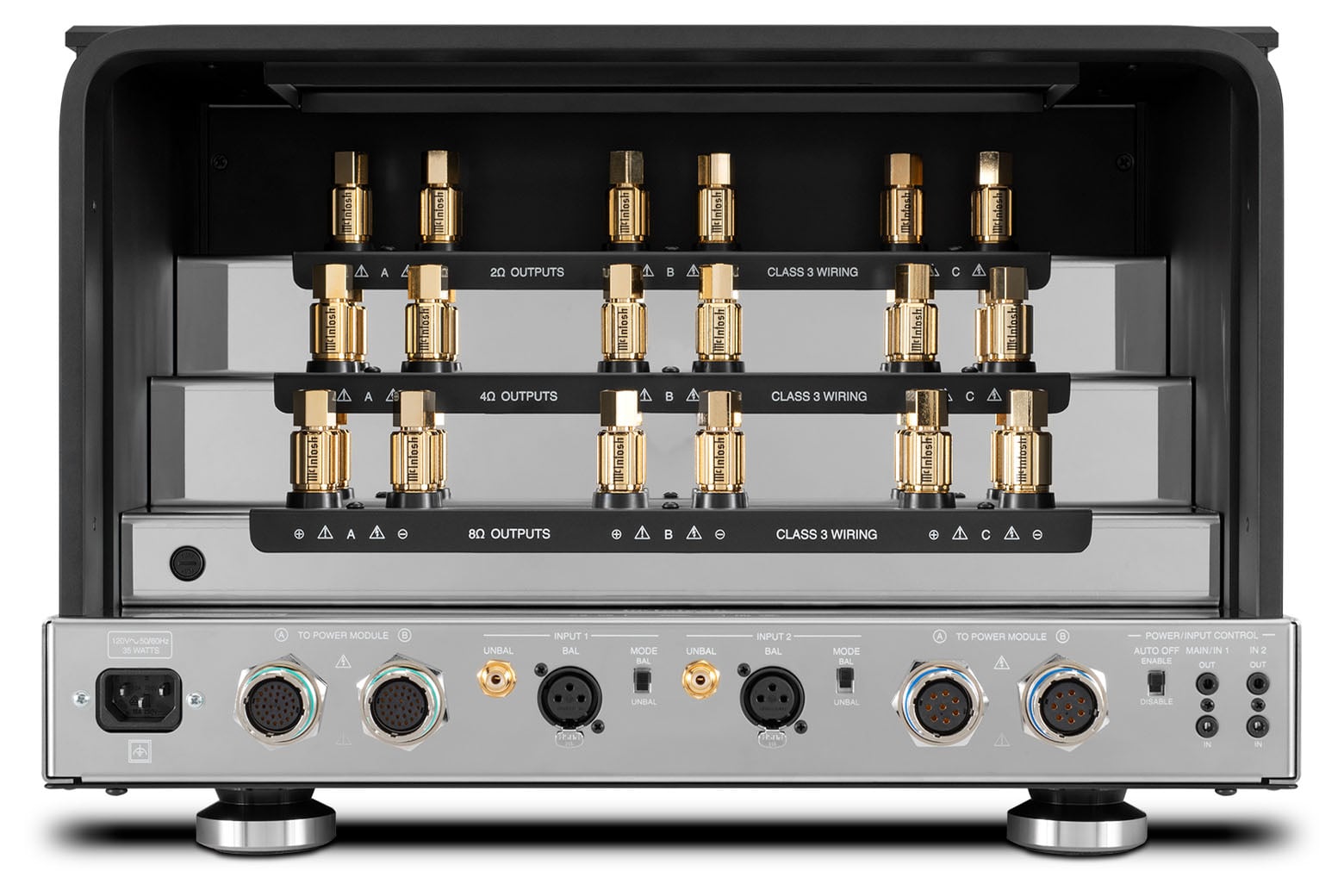
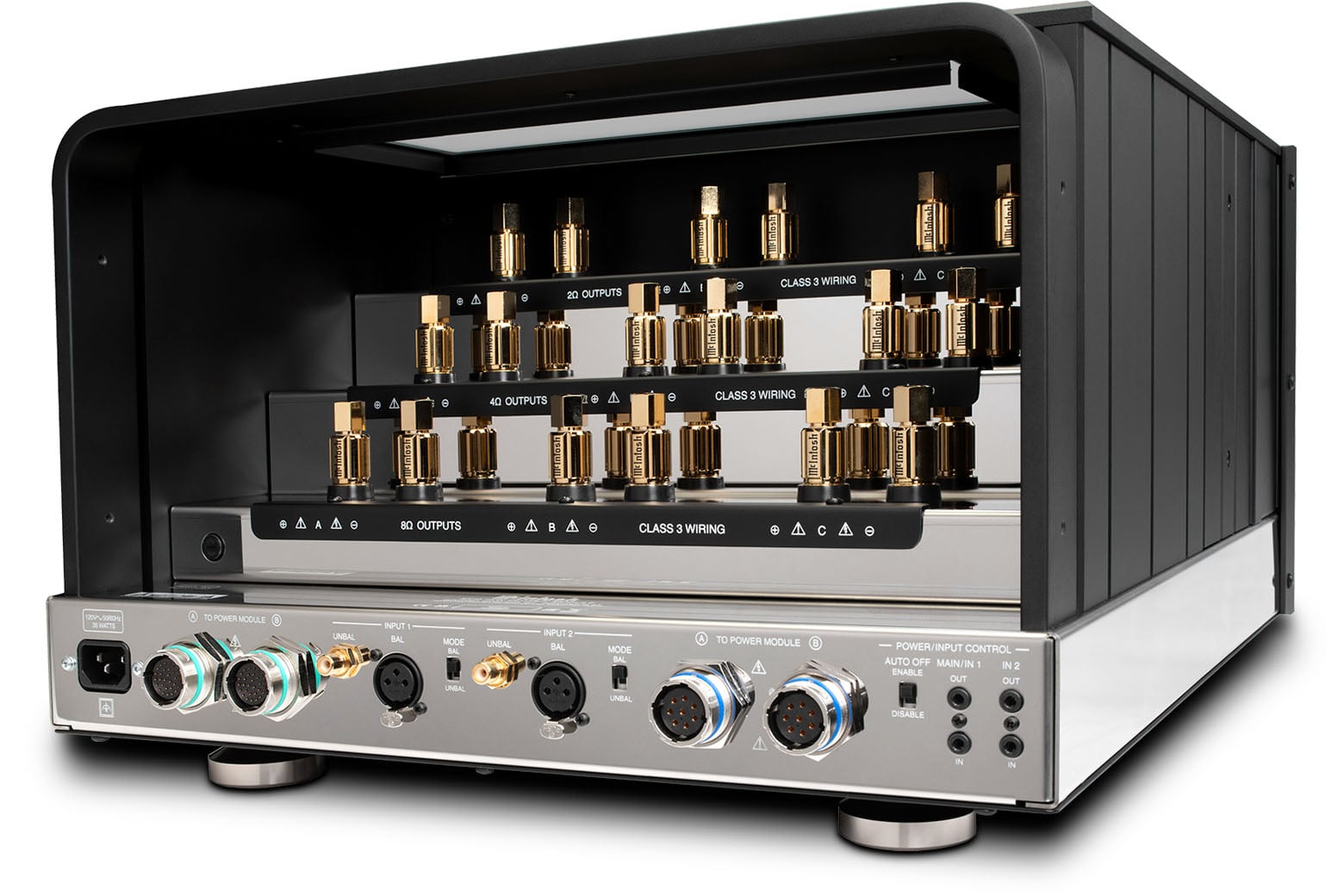
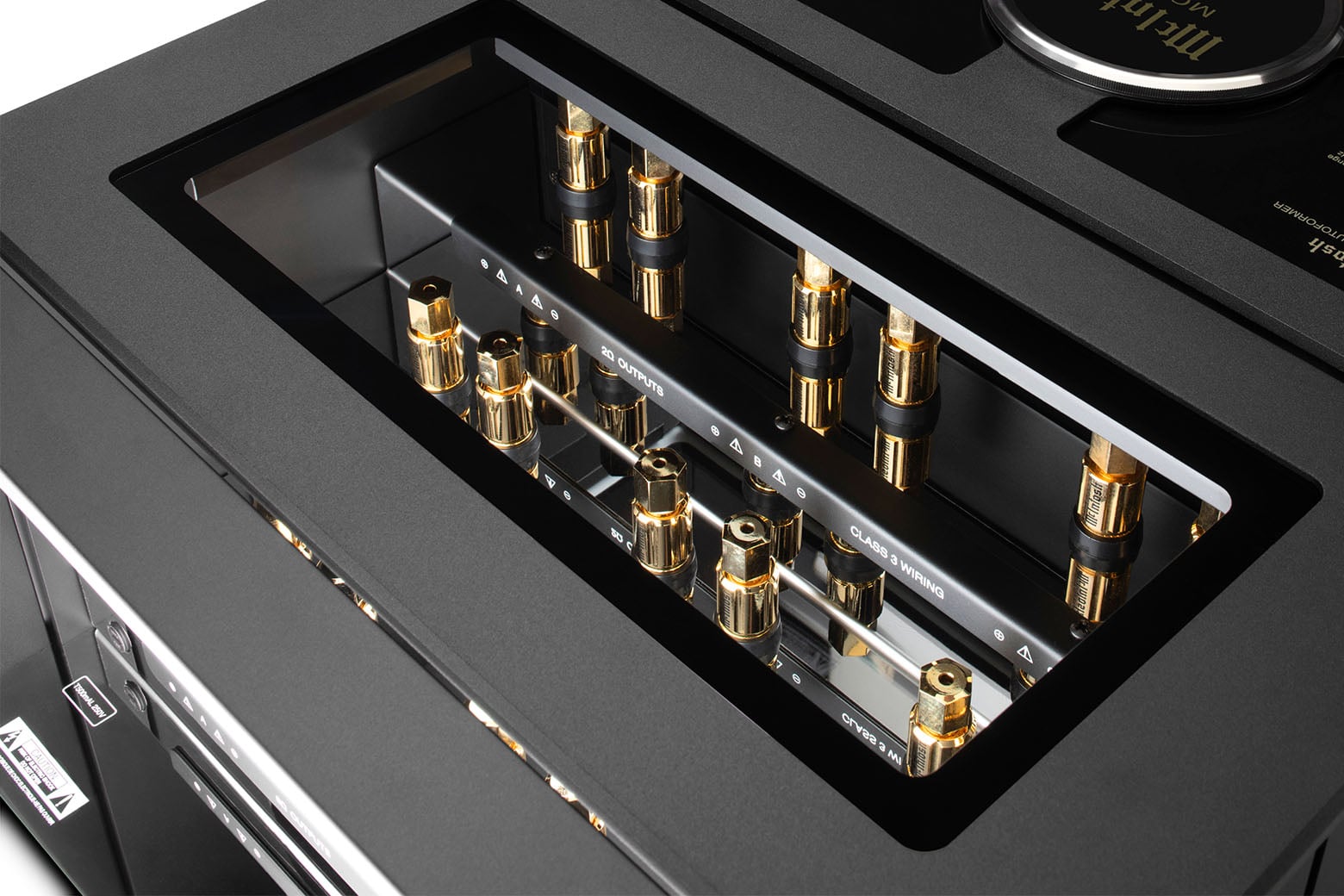
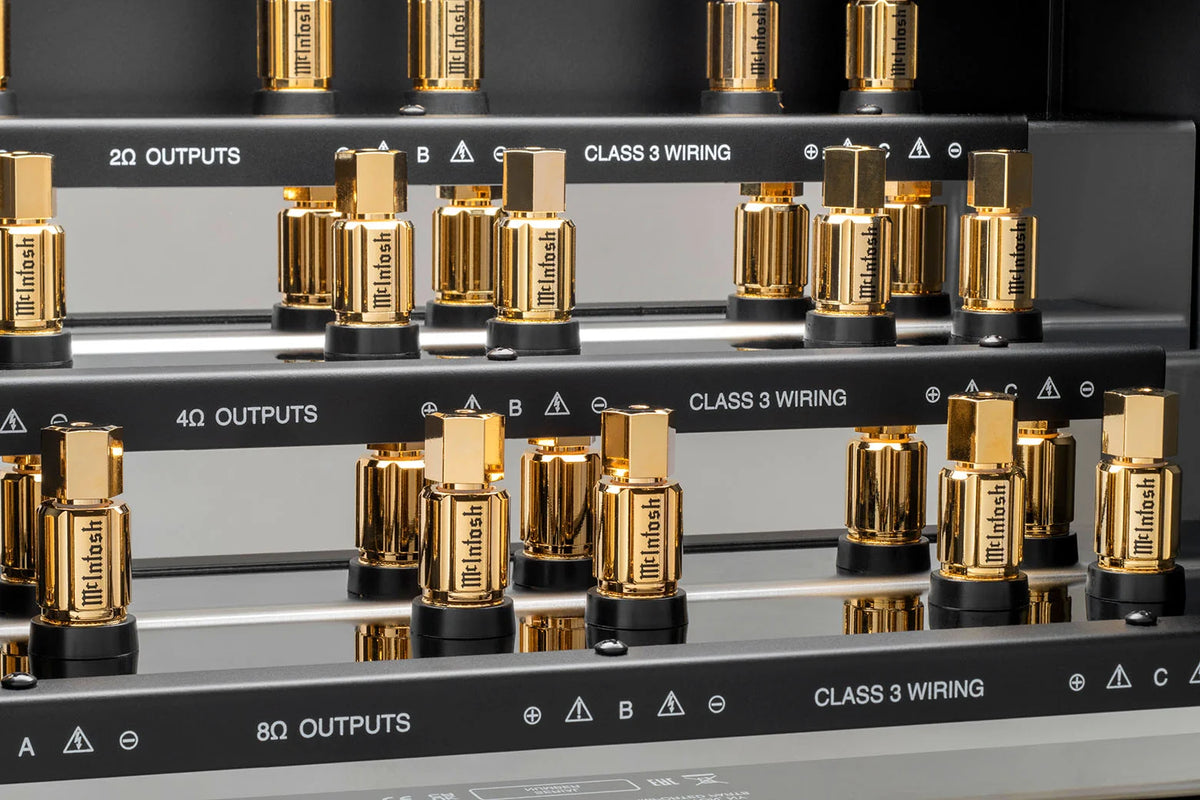
Dedicated speaker terminals are provided for each impedance, with each located on its own output platform on the rear of the Output Module.
McIntosh goes even further by providing three identical sets of Solid Cinch binding posts for each impedance, making it significantly easier to bi-wire or tri-wire compatible reference loudspeakers.
For an amplifier intended to remain at the center of a system for years, the ability to deliver full rated output across such a broad range of loudspeakers provides enormous flexibility.
Why Three Chassis?
At this level, dividing the amplifier into three components isn't just an engineering statement. It's practical.
Each MC2.1KW module weighs more than 120 pounds. Combining everything into a single enclosure would result in an amplifier approaching 400 pounds, making installation extremely difficult.
There's also an electrical advantage.
Separating the two 1,000-watt Power Modules allows the MC2.1KW to operate from more conventional household electrical connections rather than requiring the type of high-voltage connection that a single 2,000-watt amplifier chassis could otherwise demand.
It's a clever solution to the very real installation challenges created by an amplifier of this magnitude.
Designed for the Most Demanding Loudspeakers
The MC2.1KW was developed to work with McIntosh reference speakers such as the XRT2.1K, but its application goes far beyond McIntosh loudspeakers.
This is an amplifier for extremely power-hungry speakers, exceptionally large listening environments, and systems where maintaining complete control during the most demanding musical passages is essential.
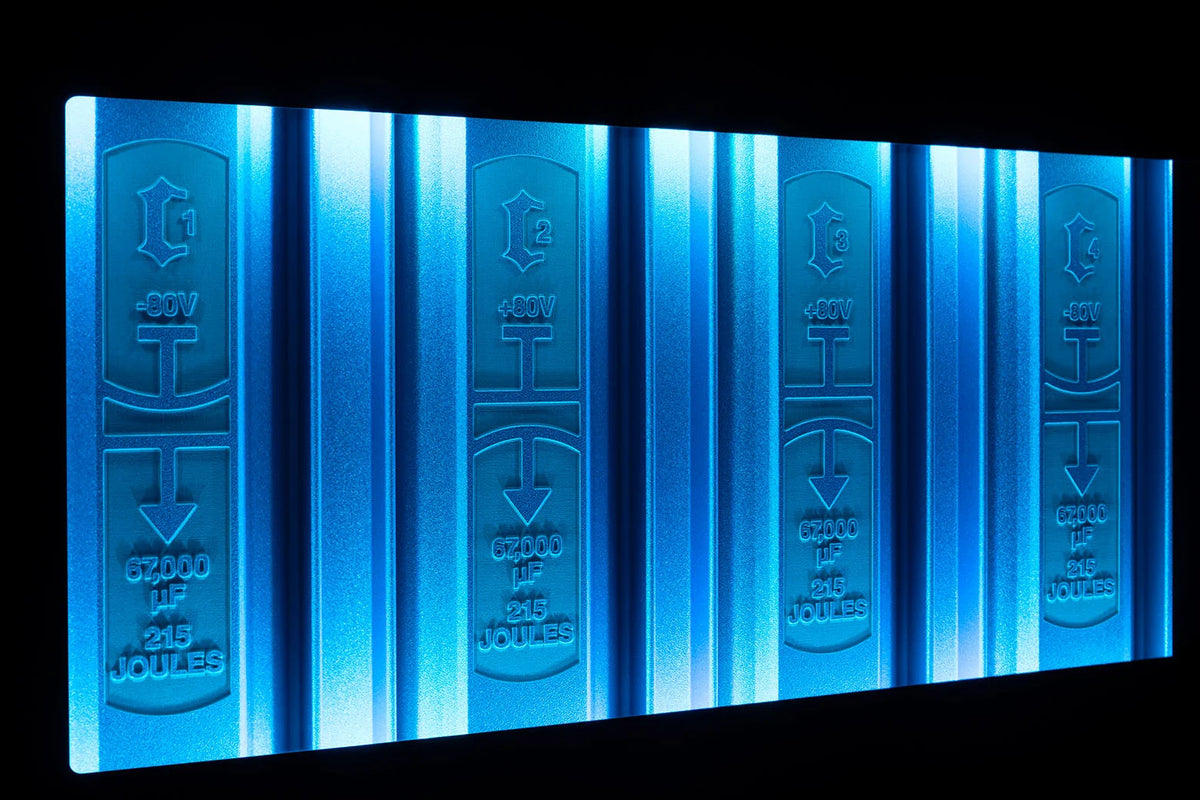
Four McIntosh Monogrammed Heatsinks are fitted to each Power Module, meaning eight substantial heatsinks are working across the complete MC2.1KW.
They're connected to advanced high-current output transistors and engineered to efficiently dissipate heat while maintaining consistent performance throughout extended listening sessions.
Two Preamplifiers—or Two Different Personalities
One particularly interesting addition to the MC2.1KW is its dual sets of balanced and unbalanced inputs.
That allows more than one preamplifier—or more than one output topology from the same preamplifier—to remain connected.
Pair the MC2.1KW with the McIntosh C12000, for example, and the amplifier can be connected to both the C12000's vacuum tube and solid-state outputs. This allows the system to take advantage of either signal path depending on the recording or listening preference.
Alternatively, two completely separate preamplifiers can be connected.
For a reference system where experimentation and flexibility are part of the experience, it's an unusually useful capability.
Engineered as a Modern Reference Amplifier
McIntosh has continued to refine the enormous amplifier beyond simply increasing power.
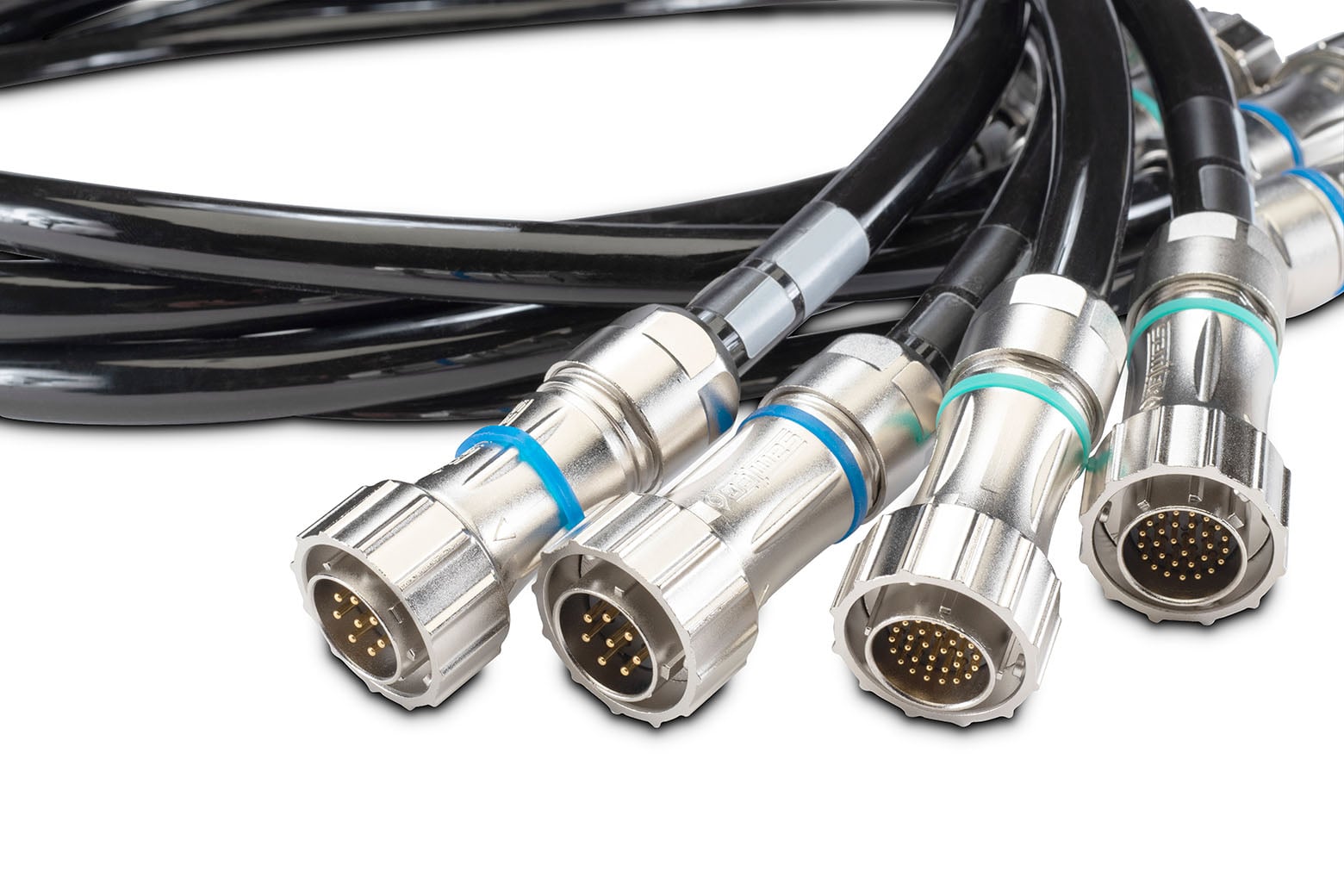
The MC2.1KW incorporates updated circuit designs and modern components, shorter signal paths, revised internal wiring, and heavy-duty IP68-rated bayonet interconnect cables connecting its three modules.
McIntosh protection technologies are also incorporated throughout the design to protect both the amplifier and connected loudspeaker during demanding operation.
Direct LED illumination updates the visual presentation while maintaining the unmistakable McIntosh aesthetic.
Built Like the Flagship It Is
Each of the three chassis is finished to the standard expected from McIntosh's ultimate monoblock.
Mirror-polished stainless steel, immaculate metalwork, black-glass front panels, aluminum handles, illuminated McIntosh logos, and traditional rotary controls give the MC2.1KW an unmistakable presence.
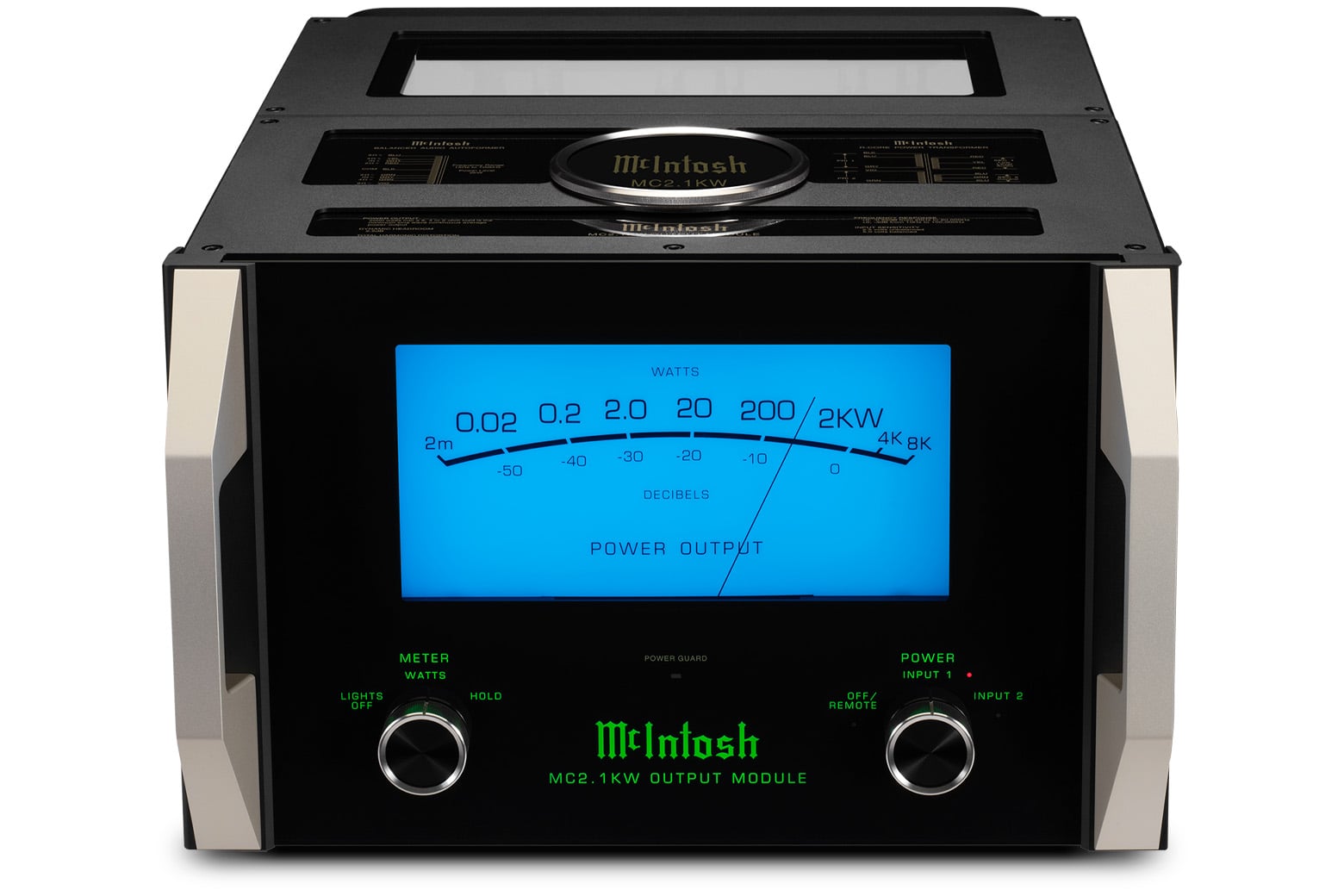
And, of course, the Output Module features the enormous McIntosh blue Watt meter, providing a real-time visual indication of what 2,000 watts of available amplifier power looks like in action.
This is not an amplifier designed to disappear into the equipment rack.
The Grid's Take on the McIntosh MC2.1KW
The MC2.1KW isn't simply the next step above the MC1.25KW. It's an entirely different level of system design.
A pair of MC1.25KWs already gives you an extraordinary 1,200 watts per speaker. The MC2.1KW raises that to 2,000 watts per loudspeaker, but just as importantly, it spreads the amplification across three dedicated chassis with two independent 1,000-watt Power Modules.
For most audio systems, this would be complete overkill.
That's exactly the point.
The MC2.1KW exists for the systems where "enough power" isn't the design objective. We're talking about enormous reference loudspeakers, extremely large rooms, demanding impedance loads, and systems intended to reproduce music with virtually unrestricted scale.
The three-chassis architecture, full 2,000-watt output into 2, 4, or 8 Ohms, multiple speaker connections, and dual preamplifier inputs also make it considerably more sophisticated than simply building the biggest amplifier possible.
For a true no-compromise McIntosh reference system, this is the amplifier at the top of the mountain.
At The Grid HiFi & Home Theater, we can help design the complete system around the MC2.1KW—from preamplifier and loudspeaker matching to placement, cabling, power requirements, and installation. At this level, every part of the system matters.
Specifications
Electronic Specifications
FTC Power Output Rating
2000 W
Power Output per Channel
2000 W into 2, 4 or 8 ohms
Number of Channels
1
Total Harmonic Distortion
0.005%
S/N below rated output
123dB
Dynamic Headroom
2.1dB
Damping Factor
>40 Wideband
Rated Power Band
20Hz to 20kHz
Frequency Response
+0, -0.25dB from 20Hz to 20kHz
+0, -3dB from 10Hz to 100kHz
Control
Remote Power Control
Yes
Multi-Channel DB25 Cable
N/A
Connectivity
Speaker Binding Post Type
Solid Cinch™ Speaker Binding Posts
General Specifications
Circuit Configuration
Quad Balanced
Circuit Design
Solid State
Mono Bridge
N/A
Mono Parallel
N/A
Output Type
Autoformer™
Meters
Yes
Meter Light Switch
Yes
Balanced Input
2
Front Panel
1/2" Glass with handles
Illumination
Direct LED
Chassis Style
Open Stainless Steel (each module)
Weights & Dimensions
Unit Dimensions (W x H x D)
Output Module (1 included): 17-15/16" (45.6cm) x 12-5/32" (30.9cm) x 30-3/16" (76.7cm) (including the handles and interconnect cables)
Power Module (2 included): 17-15/16" (45.6cm) x 11-7/8" (30.2cm) x 30-3/16" (76.7cm) (including the handles and interconnect cables) ea
Unit Weight
Output Module (1 included): 125 lbs (56.7 kg)
Power Module (2 included): 145 lbs (65.8 kg) ea
Shipping Weight
Output Module (1 included): 150 lbs (68 kg)
Power Module (2 included): 165 lbs (74.8 kg) ea
FAQs
Please read our FAQs page to find out more.
Do you price match?
Yes. We match any authorised dealer, including big-box retailers. If you find the same product at a lower price, contact us and we'll match it.
Do you offer free shipping?
Yes — free shipping on every order, with 2-day delivery available on most products. Easy returns and exchanges are included.
Where is your showroom?
We're at 6362 Alder Drive, Houston, Texas. The showroom lets you hear and compare reference-level systems in person before making any decisions. If you're considering a larger purchase or installation, it's well worth the visit.
Can I buy online without visiting the showroom?
Yes. The full product range is available through the online store with free nationwide shipping. For more complex system builds, speaking with one of our advisers first tends to lead to a better result.
Do you offer financing?
Yes. Special financing is available through the BrandSource Credit Card for qualifying purchases, allowing you to spread payments over time with no annual fee. Promotional rebate savings are also available periodically. See the financing page for full details.
Do you install systems as well as sell equipment?
Yes — installation is central to what we do. We design and install whole-home audio and video, home theaters, media rooms, outdoor audio, lighting and motorised shades, and full smart home automation.
Do you provide support after installation?
Yes. We provide ongoing service and support to ensure systems continue performing as intended — not just on installation day, but over the long term.